

The Tie That Binds Meaning
Author: John Fawcett
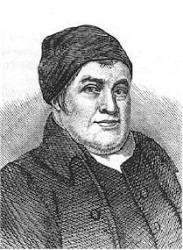 An orphan at the age of twelve, John Fawcett (b. Lidget Green, Yorkshire, England, 1740; d. Hebden Bridge, Yorkshire, 1817) became apprenticed to a tailor and was largely self-educated. He was converted past the preaching of George Whitefield at the age of 16 and began preaching soon thereafter. In 1765 Fawcett was called to a small, poor, Baptist state church in Wainsgate, Yorkshire. Seven years later he received a call from the large and influential Carter's Lane Church in London, England. Fawcett accepted the call and preached his bye sermon. The day of departure came, and his family's belongings were loaded on carts, but the distraught congregation begged him to stay. In Singers and Songs of the Church (1869), Josiah Miller te… Go to person page >
Timeline
Page Scans
Instances
Instances (one - 73 of 73)
Administrator Hymnal #245
Brandish Title: Blest Be the Tie That Binds First Line: Blessed be the tie that binds Melody Championship: DENNIS Writer: John Fawcett, 1740-1817 Meter: SM Date: 1994 Subject: Endmost Hymns | ; Customs in Christ | ; Evening hymns | ; Fellowship |
Administrator Hymnal #245


Baptist Hymnal 2008 #389
Brandish Title: Blest Exist the Tie First Line: Blessed be the necktie that binds Tune Title: DENNIS Author: John Fawcett Meter: six.half-dozen.8.six.(S.M.) Date: 2008 Subject: Comfort,Encouragement, Hope | ; Prayer, Petition |
Baptist Hymnal 2008 #389
Celebrating Grace Hymnal #267
Display Title: Blessed Be the Tie First Line: Blest be the tie that binds Tune Championship: DENNIS Writer: John Fawcett Meter: SM Date: 2010 Subject: Christian unity | ; Church | ; Fellowship of Believers | ; The Church equally Customs | Identity
Celebrating Grace Hymnal #267
Chalice Hymnal #433
Display Title: Blest Exist the Tie That Binds First Line: Blest be the tie that binds Tune Championship: DENNIS Author: John Fawcett Meter: SM Engagement: 1995 Subject area: Friendship | ; God'due south Church | The Church at Worship: Going Forth; Going Forth | ; Service Music: Going Along |
Chalice Hymnal #433
Christian Worship (2021) #730
Display Title: Blest Exist the Necktie That Binds First Line: Blessed be the tie that binds Tune Title: BOYLSTON Author: John Fawcett, 1740-1817 Meter: SM Scripture: Psalm 133; Ephesians 4:3; Philippians 2:one-2; 1 Peter 3:8 Date: 2021 Subject: Beloved |
Christian Worship (2021) #730
Clarion Phone call #158
Display Title: Blest Exist The Tie That Binds First Line: Blest be the tie that binds Tune Championship: DENNIS (Nägeli) Author: John Fawcett Date: 2002
Clarion Telephone call #158
Common Praise (1998) #507
Display Title: Blest Be the Tie That Binds First Line: Blest be the tie that binds Tune Title: DENNIS Writer: John Fawcett, 1740-1817 Meter: SM Scripture: Romans 1:viii-fifteen; Romans 12:1-21; 1 Corinthians 12:12-31; 1 Corinthians 15:35-58; 2 Corinthians one:ii-11; Galatians 6:i-xvi; Philippians 1:3-xi; Colossians 3:1-11; 1 Thessalonians 2:1-eight; ii Esdras two:30-48 Date: 1998 Subject: Church building | ; Communion of Saints | ; Trust |
Common Praise (1998) #507
Complete Mission Praise #60
Brandish Championship: Blest be the tie that binds First Line: Blest exist the tie that binds Tune Title: DENNIS Writer: John Fawcett, 1740-1817 Meter: SM Appointment: 1999 Subject field: The Church of Jesus Christ | Marriage; The Church of Jesus Christ | Unity of the Church; Travelling, Parting and Distant Friends |
Complete Mission Praise #60

Glory to God #306
Display Title: Blest Be the Necktie That Binds Offset Line: Blest be the necktie that binds Tune Title: DENNIS Author: John Fawcett Meter: SM Scripture: Psalm 133:1; Matthew 18:twenty; John 13:34-35; Romans 12:5; Romans 15:1-2; 1 Corinthians 12:27; Galatians iii:28; Galatians six:2; Colossians 2:2; Hebrews 4:16; Hebrews 13:1; 1 Peter 3:8; ane John ane:seven Date: 2013 Subject: Community in Christ | ; Dying in Christ | ; Eternal Life | ; Funeral | ; Lord'southward Supper | ; Prayer | ; The Church | ; Unity |
Glory to God #306
Hymnal #421
Display Title: Bless'd be the tie that binds Kickoff Line: Bless'd be the tie that binds Tune Title: DENNIS Author: John Fawcett Date: 1992 Source: Hymns Adapted to the Circumstances of Public Worship..., 1782, alt.
Hymnal #421
Hymns for a Pilgrim People #497
Display Title: Blest Be the Tie That Binds First Line: Blessed be the tie that binds Tune Title: DENNIS Writer: John Fawcett, 1740-1817 Meter: SM Scripture: Galatians 3:28 Date: 2007 Subject: Church building | ; Shut of Worship / Sending Forth | ; Community | ; Covenant | ; Eternal Life | ; Fellowship | ; Funeral | ; Hope | ; Lord'southward Supper | ; Dearest | ; Unity |
Hymns for a Pilgrim People #497
Hymns of Faith #74
Display Championship: Blest Be the Tie that Binds Starting time Line: Blest be the tie that binds Tune Title: [Blest exist the necktie that binds] Author: John Fawcett Scripture: Galatians three:28; Galatians 6:2; 1 John 1:7 Date: 1980 Subject: Fellowship | of Believers
Hymns of Organized religion #74
Hymns of the Saints #485
Display Title: Blest Be the Necktie that Binds First Line: Blessed exist the necktie that binds Tune Title: DENNIS Author: John Fawcett, 1739-1817 Scripture: one Thessalonians 3:11-xiii; 1 John 3:14; i John 3:sixteen Date: 1982 Bailiwick: Benediction | ; Condolement | ; Fellowship | ; Hope | ; Love | ; Nighttime |
Hymns of the Saints #485
Lead Me, Guide Me (2nd ed.) #605
Brandish Title: Blest Be the Necktie That Binds Outset Line: Blest be the tie that binds Tune Title: DENNIS Author: John Fawcett, 1740-1817 Meter: SM Scripture: Acts 20:37-38; Galatians half dozen:2; Ephesians 4:32; Colossians 3:xiv; Revelation 7:17; Revelation 21:iv Date: 2012 Subject: Alliance and Sisterhood | ; Burdens | ; Church | ; Community | ; Dedication of a Church | ; Liberty | ; Hope | ; Joy | ; Life in Christ, Christian Life | ; Dearest for Others | ; Petition, Prayer | ; Sharing, Giving | ; Unity |
Lead Me, Guide Me (2nd ed.) #605
Lift Up Your Hearts #257
Display Championship: Blest Exist the Tie That Binds First Line: Blest be the tie that binds Tune Title: DENNIS Author: John Farrell Meter: 6.6.eight.6 Scripture: Galatians 3:28; Galatians 6:2; Hebrews 12:1-two Date: 2013 Subject area: Eternal Life | ; Hymns about Prayer | ; The Church | ; Unity and Fellowship | ; Unity of the Church |
Elevator Up Your Hearts #257
Lutheran Service Volume #649
Display Championship: Blest Be the Necktie That Binds Beginning Line: Blest exist the tie that binds Tune Title: BOYLSTON Author: John Fawcett, 1740-1817 Meter: S Thou Scripture: Psalm 133; John 17:11; John 17:twenty-23; Romans 12:iv-5; Ephesians 4:three-6 Date: 2006 Subject: Christian Abode and Teaching |
Lutheran Service Book #649
Lutheran Worship #295
Display Title: Blest Exist the Tie That Binds Get-go Line: Blest exist the tie that binds Tune Title: BOYLSTON Author: John Fawcett, 1740-1817 Meter: SM Appointment: 1982 Subject: Communion of Saints | ; Fellowship | ; Love | ; The Church building |
Lutheran Worship #295
Moravian Volume of Worship #680
Display Title: Blest Be the Necktie That Binds First Line: Blessed be the tie that binds Tune Title: DENNIS Author: John Fawcett Meter: South.M. Scripture: Acts 4:32; one Corinthians 12:26-27; Galatians 3:26-29; Ephesians 4:1-24; Colossians 1:3-iv; Colossians two:2-three; 1 John 3:17-24; i John 4:vii-21 Engagement: 1995 Subject: Fellowship | ; Fellowship and Family Life | ; Grief and sorrow | ; Dear for Others | ; Departing |
Moravian Volume of Worship #680
One Lord, One Faith, 1 Baptism #589
Brandish Title: Blest Be the Tie that Binds First Line: Blest exist the tie that binds Melody Title: DENNIS Author: John Fawcett, 1740-1817 Meter: SM Scripture: Acts 20:37-38; Galatians 6:2; Ephesians four:32; Colossians 3:fourteen; Hebrews iv:16; Revelation seven:17; Revelation 21:4 Date: 2018 Field of study: Burdens | ; Christian unity | ; Church building | ; Comfort | ; Freedom | ; Justice/Social Concern | ; Prayer | ; Service | ; Sin | ; Suffering | ; The Gospel in the Christian Life | The Church and Communion of the Saints
One Lord, 1 Faith, One Baptism #589
Rejoice Hymns #570
Display Title: Blest Be the Tie That Binds First Line: Blest be the tie that binds Tune Title: DENNIS Author: John Fawcett, 1740-1817 Meter: six.6.viii.vi.(S.M.) Date: 2011 Subject: Benediction | ; Church | Fellowship of Believers; Dear | Dear for Others
Rejoice Hymns #570
Santo, Santo, Santo #701
Brandish Title: Blest Be the Tie That Binds (Sagrudo es el amor) First Line: Blest be the tie that binds (Sagrado es el amor) Tune Title: DENNIS Author: Anonymous; John Fawcett, 1740-1817 Meter: SM Scripture: Acts 2:42-47; Galatians 3:28; Galatians half dozen:2; Ephesians 4:four-7; Hebrews 12:1-2 Date: 2019 Subject: Amor por los Demás | ; Church | ; Envio | ; Iglesia | ; Love for Others | ; Oracion | ; Prayer | ; Sending Along | ; Unidad | ; Unity |
Santo, Santo, Santo #701
Sing Joyfully #138
Brandish Title: Blest Be the Necktie That Binds First Line: Blest be the tie that binds Melody Title: [Blessed be the tie that binds] Author: John Fawcett Appointment: 1989 Subject: Church building | Fellowship and Unity; Fellowship | of Believers
Sing Joyfully #138
The Volume of Praise #481
Display Championship: Blessed be the tie that binds First Line: Blest be the tie that binds (Béni soit le lien) Tune Championship: DENNIS Author: Edmond L. Budry, 1854-1932; John Fawcett, 1740-1817 Meter: 6 6 8 half-dozen SM Scripture: Galatians vi:two; Ephesians 4:1-6 Engagement: 1997 Subject: Communion of Saints | ; Companion / Friend | ; Good day / Parting | ; Hope | ; Jesus Christ | Unity in; Languages other than English | French; The Church |
The Volume of Praise #481

The Cyber Hymnal #381
Brandish Title: Blest Exist the Tie That Binds First Line: Blest be the necktie that binds Tune Title: DENNIS Author: John Fawcett Source: Hymns Adapted to the Circumstance of Public Worship (Leeds, England: 1782)
The Cyber Hymnal #381
The New Century Hymnal #393
Display Title: Blessed Be the Necktie That Binds Start Line: Blessed be the tie that binds Tune Title: DENNIS Author: John Fawcett Meter: S.One thousand. Scripture: Galatians 3:28; Galatians 6:ii; Colossians 3:13-15 Engagement: 1995 Discipline: Burial and Memorial | ; Christian unity | ; Close of Worship |
The New Century Hymnal #393
The United Methodist Hymnal #557
Display Title: Blest Be the Tie That Binds Offset Line: Blest be the tie that binds Tune Title: DENNIS Writer: John Fawcett Meter: SM Scripture: Galatians 3; Galatians vi; Philippians i:11; Philippians 2:11; 1 Thessalonians ii:8; 1 John iii; ane John four Appointment: 1989 Subject: Church building | Community in Christ; Home and Family | ; Love | ; Love Feast | ; Reconciliation | ; The Nature of the Church | United in Christ
The United Methodist Hymnal #557
The Worshiping Church #708
Display Championship: Blest Be the Necktie That Binds Showtime Line: Blest be the necktie that binds Melody Title: DENNIS Author: John Fawcett Meter: S.M. Scripture: Acts twenty:38; Galatians 3:28; Galatians half dozen:2; Ephesians 4:iii Date: 1990
The Worshiping Church #708
Timeless Truths #1107
Display Title: Blest Be the Tie That Binds Offset Line: Blest exist the tie that binds Tune Title: DENNIS Writer: John Fawcett Meter: 6.six.viii.6 Scripture: Hosea xi:4 Source: Faith Publishing Business firm, Evening Lite Songs, 1949, edited 1987 (240); The Gospel Trumpet Visitor, Select Hymns, 1911 (277); Timeless Truths (http://library.timelesstruths.org/music/Blest_Be_the_Tie_That_Binds)
Timeless Truths #1107
Total Praise #337
Brandish Title: Blest Be the Tie that Binds Commencement Line: Blessed be the necktie that binds Tune Title: DENNIS Writer: John Fawcett, 1740-1817 Meter: SM Scripture: Colossians three:14 Date: 2011 Discipline: Brotherhood and Globe Peace | ; Burdens | ; Church, Family unit of Believers | ; Liberty | ; Hope | ; Joy | ; Beloved for Others | ; Peace | ; Prayer and Intercession | ; Sin |
Total Praise #337
Trinity Hymnal (Rev. ed.) #359
Display Title: Blest Be the Necktie That Binds Outset Line: Blest exist the tie that binds Tune Title: DENNIS Author: John Fawcett Meter: S.M. Scripture: Galatians three:28 Date: 1990 Subject: Blessed Hope | ; Christian Friendship | ; Farewell Service | ; Sky | Reunion in ; Sympathy of Christians | ; The Church | The Communion of Saints
Trinity Hymnal (Rev. ed.) #359
Trinity Psalter Hymnal #409
Brandish Title: Blest Be the Tie That Binds First Line: Blest be the tie that binds Tune Title: DENNIS Author: John Fawcett Meter: S.G. Scripture: Galatians three:28; Galatians six:ii Date: 2018 Subject: Blest Hope | ; Christian Friendship | ; Church | Equally Communion of Saints; Bye Service | ; Heaven | Reunion in
Trinity Psalter Hymnal #409
Voices Together #831
Display Title: Blest Exist the Necktie that Binds First Line: Blessed exist the tie that binds Tune Title: DENNIS Author: John Fawcett Meter: SM Scripture: Acts 4:32-35; Galatians six:1-2 Appointment: 2020 Subject: Community | ; Compassion | ; Friendship | ; Love for Others | ; Unity | Source: Hymns Adapted to the Circumstances of Public Worship . . ., 1782, alt.
Voices Together #831
Voices United #602
Display Title: Blest Be the Tie That Binds First Line: Blest be the tie that binds Tune Championship: DENNIS Writer: John Fawcett Meter: 6 six eight 6 Date: 1996 Subject: Brotherhood/Sisterhood | ; Church | Community in Christ; Church in the Earth | Discipleship: Love in Action; Communion of Saints | ; Community | ; Compassion | ; Easter 5 | Twelvemonth B; Easter 5 | Yr C; Epiphany 3 | Year A; Eternal Life | ; Farewell Service | ; Friendship | ; Funerals and Memorial Services | ; Sky(due south)/Paradise | ; Abode and Family unit | ; Dearest | ; Love Feast | ; Love for Others | ; Prayer | ; Proper 15 | Year A; Proper 27 | Twelvemonth B; Proper 9 | Twelvemonth C; Reconciliation | ; Service Music | Sending Forth/Commissioning; Sin | ; Sympathy of Christians | ; Trinity Sunday | Year A; Unity |
Voices United #602
Voices #10
Display Title: Blest Be the Tie That Binds First Line: Blest be the tie that binds Tune Title: [Blest be the tie that binds] Writer: John Fawcett Date: 1992 Subject: Church | Community of Christ; Church | Ecumenism; Comfort | ; Dearest | ; Service Music | Following Communion; Service Music | Sending Along
Voices #10
Worship and Rejoice #393
Brandish Championship: Blest Be the Tie That Binds Showtime Line: Blest exist the tie that binds Tune Championship: DENNIS Author: John Fawcett, 1740-1817 Meter: Due south.Thousand. Scripture: Acts 20:38; Galatians 3:28; Galatians 6:2; Ephesians iv:32; Hebrews iv:16; Revelation 7:17; Revelation 21:iv Date: 2003 Subject field: Fellowship |
Worship and Rejoice #393
Worship in Song #331
Display Title: Blest Be the Tie That Binds First Line: Blest be the tie that binds Melody Title: DENNIS Author: John Fawcett Meter: 6.6.8.six. Appointment: 1996 Discipline: Benediction | ; Care for one another | ; Love | ; Departing | ; Prayer | Source: Hymns Adjusted to the Circumstances of Public Worship..., 1782
Worship in Song #331
Yeah, Lord! #34
Brandish Title: Blest Be the Necktie That Binds First Line: Blest exist the tie that binds Melody Title: [Blest be the tie that binds] Author: John Fawcett Date: 1982 Subject field: Brotherhood and World Peace | ; Church building, Family of Believers |
Yes, Lord! #34
Include 2116 pre-1979 instances

The Tie That Binds Meaning,
Source: https://hymnary.org/text/blest_be_the_tie_that_binds
Posted by: jonesrousameltood.blogspot.com
0 Response to "The Tie That Binds Meaning"
Post a Comment